
Certified translations / Physical delivery
Can a Certified Translation Be Mailed to Me?
You can request a physical copy of your certified translation. Before choosing delivery, confirm the recipient’s required format, then allow time for both translation preparation and shipping.
Introduction
Yes. Translations First offers physical delivery of certified translations when requested. A mailed copy can be useful when the receiving organization asks for paper documents or when you want a printed copy for your records.
Before ordering, check what the recipient will accept. A digital PDF, a printout of that PDF, and a certification bearing an original handwritten signature are not necessarily interchangeable. Mailing is a delivery method; it does not, by itself, make a translation legally valid or guarantee acceptance.
Digital PDF or Mailed Copy: Which Do You Need?
Start with the written instructions from the office, school, court or other organization receiving your documents. Ask about the target language, required certification wording, acceptable signatures, number of copies and submission method. Do not assume that a paper copy is required simply because a translation must be certified.
If a PDF is accepted, digital delivery may meet your needs without physical shipping. If a printed copy is accepted, ask whether you may print the completed PDF yourself. If an original signed certification or another special format is required, send those instructions to Translations First and confirm that the requested format can be supplied before ordering.
Also confirm whether the recipient needs the source document or a copy alongside the translation. A translated document is not a replacement for an original civil record, and ordering a mailed translation does not automatically include every supporting document your application may require.
Allow Time for Preparation and Shipping
Preparation includes translating the document, reviewing it and assembling the certification. Any requested notarization or special paper format must also be arranged. Ask for the expected preparation timeline for your actual order rather than treating a general turnaround estimate as an arrival date.
Shipping transit is the separate period after the package is handed to the carrier. Ask when it is expected to ship and review the transit estimate for the selected service and destination. Carrier cutoffs, weekends, holidays and delivery disruptions can affect arrival; international shipments may also face customs delays.
Share your submission deadline early and allow extra time for both stages. Tracking can help you follow a shipment, but a label being created does not mean the carrier has received the package. Neither an estimated arrival date nor a delivered tracking status confirms that the receiving organization has accepted the translation.
Confirm Shipping Options and Costs
The current shipping service can return FedEx and USPS options for U.S. destinations, and FedEx, USPS and DHL options for international destinations. Availability depends on the address and the rates returned at the time of your request. Not every carrier or service is available for every destination.
Review the shipping options and charges shown for your order before selecting a service. Shipping is quoted separately from translation preparation. If no suitable option is shown, contact the team to confirm what can be arranged and at what cost; do not assume that a missing rate means free shipping.
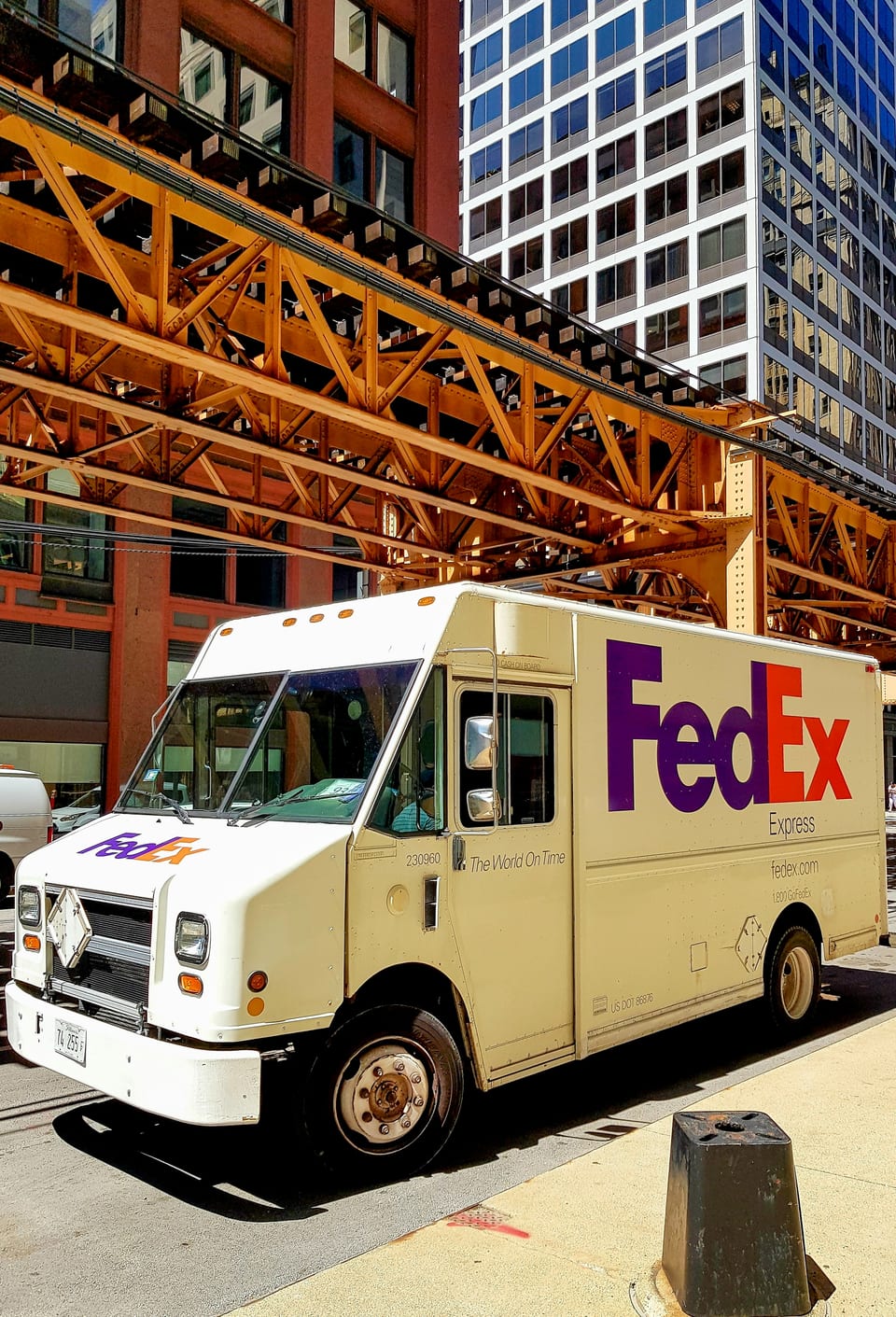
The portal also supports a customer-provided prepaid label. If you want to use one, confirm the arrangements with the team before sending it. The carrier photograph is illustrative and does not indicate endorsement of Translations First by a carrier.
What Is in the Translation Package?
The core package is the translated document and its translator certification. Confirm any additional requirements before the package is prepared.
- The translated document
- The completed translation covers the document content included in your order. Check that all requested pages are present.
- Translator certification
- The certification accompanies the translation. Tell the team in advance if the recipient specifies particular wording or an original handwritten signature.
- Notarization, only when arranged
- Notarization is separate from translator certification and is not automatically part of every mailed order. Confirm the recipient’s requirement, availability, fee and timing before proceeding.

Your Delivery Checklist
- Confirm the destination and recipient’s written requirements, including whether a PDF, printed copy, original signed certification or notarization is needed.
- Check the delivery address carefully: recipient name, organization or department, street, apartment or suite, city, state or province, postal code and country. Provide a contact phone number for the carrier.
- Ask the recipient whether its delivery address differs by carrier or service. Confirm any special instructions before selecting shipping.
- Review the requested format, copy count, shipping service and total costs with the team. Ask separately about preparation time and estimated transit time.
- Keep your order details and tracking information. If the address or deadline changes, contact the team promptly rather than assuming an already arranged shipment can be redirected.
Ready to request a mailed certified translation? Submit your files and delivery requirements at https://translationsfirst.com. The team can review the requested format, preparation timeline and shipping arrangements before you order.
Protect sensitive information by using the website’s request process rather than public comments or social media posts. Double-check the recipient and address, and ask the team about document handling or retention if you have specific confidentiality needs. No delivery method eliminates every risk of loss, misdelivery or unauthorized access.
References
USPS guidance explains complete postal addresses. California’s acknowledgment guidance illustrates why a notarial act is distinct from checking document accuracy: it states that an acknowledgment verifies the signer’s identity, not the document’s truthfulness, accuracy or validity. Notarial requirements vary by jurisdiction. The decorative desk stamp pictured here is not an example of a translator certification or notarial seal.
- USPS. Publication 28, section 211: Standardized Delivery Address Line and Last Line.https://pe.usps.com/text/pub28/28c2_001.htm
- California Secretary of State. Acknowledgments.https://www.sos.ca.gov/notary/acknowledgments